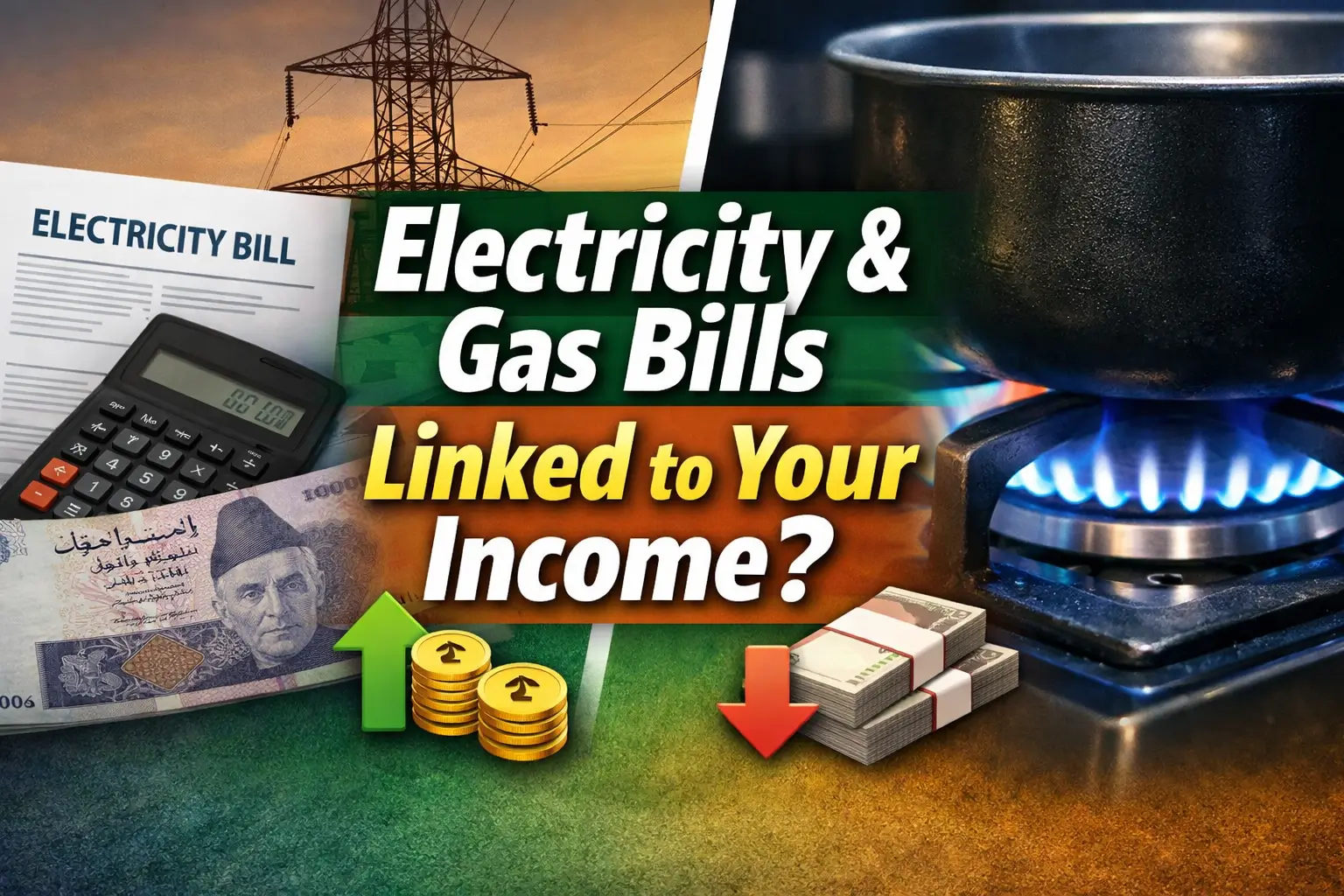
Electricity And Gas Bills Linked to Income 2026. Electricity and gas bills linked to income in 2026 could change how every Pakistani household pays for energy. Instead of charging based only on units used, the government plans to connect subsidies with household income. This reform may protect low-income families while reducing pressure on the national energy system.

Why Is Pakistan Changing Electricity and Gas Billing?
Pakistan’s energy sector has faced serious financial stress for years. Rising circular debt, high fuel costs, and inefficient subsidy systems have increased the burden on the economy.
Under commitments made with the International Monetary Fund through the Extended Fund Facility, the federal government is restructuring the power sector. The goal is simple:
- Reduce financial losses
- Improve subsidy targeting
- Ensure fair pricing
- Protect low-income families
Right now, electricity and gas tariffs depend on how many units you consume. More units mean higher per-unit charges. But this system does not always reflect a household’s real financial situation.
A small family with low income but higher summer usage can end up paying more. On the other hand, a high-income household may still benefit from indirect subsidies.
The new income-based pricing system aims to fix this imbalance.
How the Current Slab System Works
Under the present structure:
- Consumers are placed in slabs.
- Each slab has a fixed unit range.
- As consumption increases, per-unit price increases.
- Subsidies are applied based on usage limits.
Example of Slab-Based Pricing
| Monthly Units Used | Approx Tariff Impact | Subsidy Status |
|---|---|---|
| 0–100 units | Lower rate | Subsidized |
| 101–200 units | Medium rate | Partial subsidy |
| 200+ units | Higher rate | Minimal subsidy |
This model focuses only on consumption, not income.
If a middle-class family runs fans and an AC during peak summer, they may cross slabs and lose subsidy. But their income may not be high enough to afford the higher rate comfortably.

What Is the Proposed Income-Based Billing System?
The proposed reform will link electricity and gas bills to what you earn instead of how much you consume.
Key Features of the New Model
- Subsidies determined by verified household income
- Integration with national databases
- Better targeting of financial support
- Reduced cross-subsidies
This means:
- Low-income households will receive direct support.
- Middle-income groups may get partial support.
- Higher-income consumers will pay closer to actual cost.
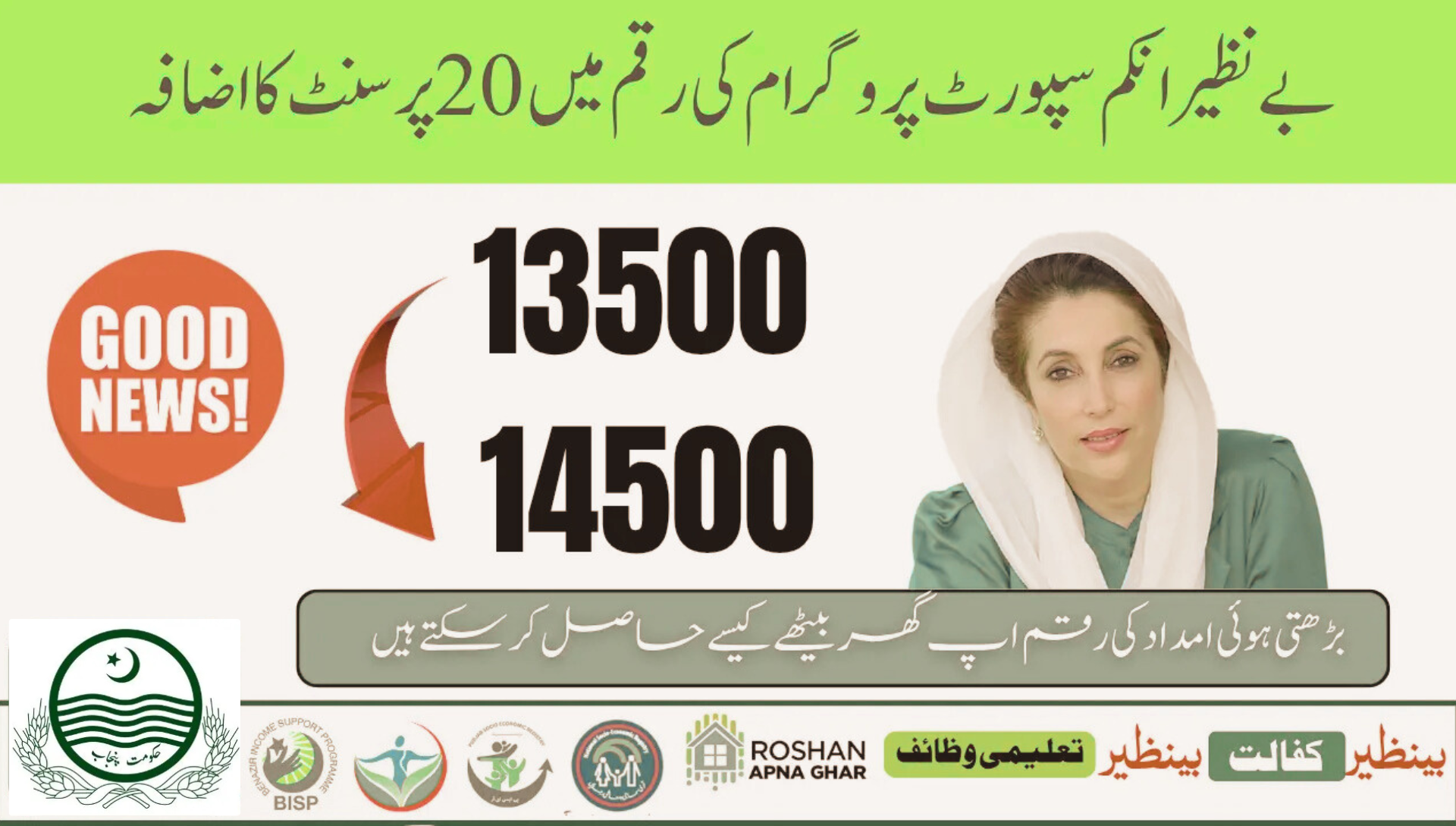
The government may use data from social protection systems such as Benazir Income Support Programme to assess eligibility.
Why Is the IMF Pushing for Energy Reform?
The International Monetary Fund has emphasized reducing inefficiencies in Pakistan’s energy sector.
Key concerns include:
- Growing circular debt
- Heavy reliance on subsidies
- Weak recovery of costs
- Poor targeting of relief
Energy reforms are part of broader economic stabilization measures. The IMF wants:
- Financial discipline
- Transparent pricing
- Reduced fiscal burden
- Sustainable power sector operations
However, the IMF has also stressed that lower and middle-income groups must not be harmed by these reforms.
What Is Circular Debt and Why Does It Matter?
Circular debt happens when power producers, distribution companies, and the government owe money to each other due to delayed payments and subsidies.
Over time, unpaid bills pile up. This creates:
- Cash flow problems
- Delayed fuel payments
- Higher electricity generation costs
- Increased government borrowing
By shifting to income-based billing, the government hopes to:
- Reduce subsidy leakage
- Improve bill recovery
- Stabilize the energy market
How Income-Based Energy Bills May Work in 2026
Though final details are not announced, experts expect the following system:
Step 1: Income Verification
Household income may be verified through:
- Tax records
- NADRA data
- Social welfare databases
Step 2: Consumer Categorization
Households may be grouped into:
- Low-income
- Lower-middle income
- Middle-income
- High-income
Step 3: Subsidy Allocation
Subsidy percentage may vary by category.
| Income Group | Expected Subsidy Level | Billing Impact |
|---|---|---|
| Low-income | High subsidy | Lower monthly bill |
| Middle-income | Partial subsidy | Moderate bill |
| High-income | No subsidy | Full cost recovery |
This model ensures targeted relief instead of blanket subsidies.
Benefits of Linking Electricity and Gas Bills to Income
1. Fairer Pricing
It ensures people pay according to financial capacity, not seasonal usage spikes.

2. Better Subsidy Targeting
Only deserving households receive support.
3. Reduced Government Burden
The state saves money by cutting unnecessary subsidies.
4. Energy Sector Stability
Better cost recovery improves financial health of power companies.
Possible Concerns and Challenges
While the reform looks promising, it may face practical challenges.
Data Accuracy
Income reporting must be accurate. If data is outdated, deserving families may lose support.
Privacy Issues
Citizens may worry about income data usage.
Middle-Class Pressure
Some middle-income families fear higher monthly electricity bills.
Implementation Delays
Large reforms often take time and careful coordination.
How This Reform May Affect Pakistani Households
Let’s understand with a simple example.
Imagine two homes:
- House A earns Rs 40,000 per month.
- House B earns Rs 400,000 per month.
Both use 250 units of electricity.
Under the slab system, both pay nearly similar high rates after crossing limits.
Under income-based pricing:
- House A may receive a targeted subsidy.
- House B pays full cost without subsidy.
This creates a more balanced system.
Gas Tariff Changes Also Expected
The reform may not be limited to electricity.
Gas billing reforms are also under review to:
- Adjust gas tariffs
- Reduce supply losses
- Improve recovery rates
Pakistan’s natural gas sector also suffers from pricing distortions. Income-based models may extend to gas utilities as well.
What Experts Are Saying
Energy policy experts believe:
- The reform is necessary for long-term sustainability.
- Structural change is better than temporary relief.
- Proper execution is critical.
Financial analysts highlight that improving subsidy targeting can restore investor confidence in Pakistan’s power sector.
FAQs
Will electricity bills increase under income-based billing in 2026?
High-income households may see higher bills. Low-income groups are expected to receive stronger subsidies.
Is the IMF forcing Pakistan to raise electricity prices?
The IMF is encouraging structural reforms. It wants fair pricing and reduced inefficiencies while protecting vulnerable groups.
When will the new electricity billing system start?
The government is finalizing the reform. Implementation may begin in phases during 2026.
Will gas bills also be linked to income?
Energy reform discussions suggest gas tariffs may also shift toward targeted subsidy models.
How will the government verify household income?
Income verification may use tax records and social protection databases.
Conclusion
Electricity and gas bills linked to income in 2026 could reshape Pakistan’s energy system. The goal is fair pricing, better subsidy targeting, and reduced circular debt.